
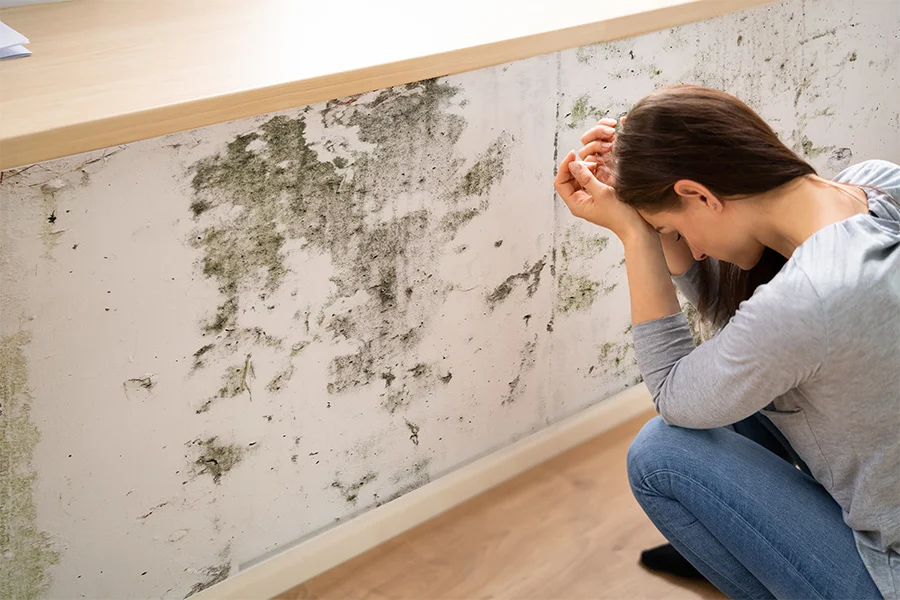
Mold is one of those home problems that can be easy to overlook until something begins to smell different, a stain appears on a wall, or moisture starts showing up where it should not. In many cases, mold is connected to a moisture problem, which means the most important question is not simply whether mold may be present, but why the conditions for mold growth developed in the first place.
Professional mold testing can be useful when homeowners need more information about an indoor environmental concern, particularly when the source is unclear, when moisture has occurred in hidden areas, or when there is a history of water intrusion. Testing is not necessarily required in every situation, especially when visible mold is already obvious and the moisture source is known, but there are many circumstances where a professional evaluation can provide valuable information before deciding what to do next. Understanding when mold testing may be appropriate can help homeowners avoid guessing and make better decisions about moisture correction, remediation, cleaning, and indoor air quality.
Mold Problems Usually Begin With Moisture
Mold requires moisture to grow. That moisture may come from a dramatic event such as a flooded basement, but it can also develop slowly from a small plumbing leak, roof leak, window leak, condensation, elevated humidity, or foundation seepage. The challenge is that water does not always remain visible. Moisture can move behind drywall, beneath flooring, into insulation, around window openings, inside cabinetry, and into other concealed building materials.
A wall may appear dry on the surface even though materials behind it remain damp. Flooring may look normal while moisture remains trapped underneath. A finished basement may conceal water intrusion behind walls until discoloration, odors, or material damage become noticeable. For this reason, a mold concern often needs to be evaluated as both a mold issue and a moisture issue. Identifying and correcting the source of moisture is essential to preventing the same problem from returning.
After Significant Water Damage
One of the most common reasons to consider professional mold evaluation is previous water damage. A burst pipe, overflowing appliance, plumbing failure, roof leak, sump pump problem, sewer backup, or flooding event can introduce large amounts of water into building materials in a short period of time. Even after visible water has been removed, moisture may remain in drywall, insulation, carpeting, subflooring, framing, cabinets, and other materials.
If a water event was not dried quickly and thoroughly, or if you are uncertain how far the moisture traveled, it may be worth having the affected areas professionally evaluated. This can be especially important when water entered wall cavities, ceilings, finished basements, or other areas that cannot be easily inspected without specialized equipment or additional investigation.
When Your Basement Has Recurring Moisture
Basements deserve particular attention because they are naturally more vulnerable to moisture. Water may enter through foundation cracks, wall joints, basement windows, floor joints, or improperly managed drainage around the property. Condensation can also develop when humid air contacts cooler basement surfaces.
Sometimes the signs are obvious, such as standing water after a storm. Other times, the clues are more subtle. You may notice darker areas along foundation walls, peeling paint, damp cardboard boxes, rusting metal, swollen baseboards, or a persistent musty smell.
Recurring basement moisture does not automatically mean that mold is present, but it creates conditions that should be investigated. This is especially important in finished basements where drywall, insulation, carpeting, and other materials may hide what is happening behind them. Because air naturally moves between different levels of a home, conditions in the basement may also influence the indoor environment upstairs.
Persistent Musty Odors
A recurring musty odor is one of the most common reasons homeowners begin wondering whether mold may be present. Odors can have many possible causes, including damp materials, plumbing issues, HVAC systems, stored belongings, carpeting, drains, or other sources. A musty smell alone does not confirm mold. However, when that odor repeatedly returns despite normal cleaning, it is worth investigating.
Air fresheners, candles, fragrances, and odor sprays may temporarily cover the smell, but they do not identify or remove the source. If the odor becomes stronger after rain, in humid weather, when the HVAC system turns on, or in a particular room or basement area, those patterns can provide useful clues. A professional evaluation can help determine whether moisture, hidden building materials, ventilation, or another environmental condition may be contributing to the odor.
Unexplained Discoloration or Dark Spots
Not every dark mark is mold, and visual appearance alone is not always enough to identify what is growing on a surface. Discoloration can come from dirt, soot, water staining, rust, damaged paint, or other materials. However, unexplained spots that appear in damp areas should not simply be ignored.
Pay particular attention to discoloration around windows, bathroom ceilings, basement walls, plumbing fixtures, exterior walls, cabinets beneath sinks, and areas that have previously experienced leaks. Changes in texture can also matter. Bubbling paint, soft drywall, peeling finishes, warped wood, or stained ceiling tiles may indicate that moisture has affected the material. When the cause of discoloration is uncertain, professional evaluation may help determine whether additional investigation or testing is appropriate.
After a Roof Leak
Roof leaks can create hidden indoor moisture problems because water often travels before becoming visible. A stain on the ceiling may not be directly below the location where the roof is leaking. Water can move along rafters, insulation, framing, and other surfaces before it finally reaches a visible area.
Even after the roof itself is repaired, damp materials may remain inside the ceiling or wall system. If you have experienced a roof leak, especially one that lasted for an extended period or affected insulation and drywall, it is worth monitoring the area for staining, odors, deterioration, or recurring moisture. Professional evaluation may be useful when the extent of the water intrusion is unclear.
Plumbing Leaks Behind Walls or Cabinets
Small plumbing leaks are easy to underestimate. A slow leak beneath a sink, behind a shower, around a toilet, near a water heater, or inside a wall may continue for weeks or months before becoming obvious. By that point, surrounding materials may already have absorbed significant moisture.
Warning signs can include swollen cabinetry, soft flooring, peeling paint, water stains, warped baseboards, unexplained dampness, or recurring odors. If the leak has occurred in a concealed location, mold testing or additional moisture evaluation may help determine whether surrounding areas require further attention. Repairing the plumbing problem is important, but the condition of the affected building materials should also be considered.
After Heavy Rain or Foundation Seepage
Heavy storms can reveal vulnerabilities that remain hidden during normal weather. After significant rain, check basements, lower-level walls, window wells, foundation corners, and floor joints. Look for dampness, staining, standing water, mineral deposits, peeling paint, or areas that feel unusually humid.
If water repeatedly enters the basement during storms, the issue should not be treated solely as an odor or mold problem. Drainage, grading, gutters, foundation conditions, or other exterior sources may need attention. When moisture repeatedly enters the same area, professional indoor environmental evaluation can help determine how the condition may be affecting the materials inside.
When Window Condensation Becomes Frequent
Occasional condensation does not necessarily indicate a serious problem, particularly during extreme weather. However, persistent condensation can be a sign that indoor humidity and ventilation need attention. Water collecting on window glass, frames, or surrounding surfaces can eventually affect wood, drywall, trim, and insulation. If condensation frequently runs down windows or leaves surrounding materials damp, those areas should be checked for deterioration and discoloration.
Bathrooms, kitchens, bedrooms, basements, and other high-humidity areas are particularly important to monitor. Reducing the moisture source and improving ventilation may be necessary, but when damage has already occurred, a professional evaluation can help determine whether additional investigation is warranted.
When a Room Always Feels Damp or Stuffy
Sometimes the first sign of a problem is not visible at all. A room may consistently feel humid, stale, or uncomfortable. You may notice that it smells different from the rest of the house or that the air feels heavy when you enter. These conditions can be influenced by ventilation, occupancy, HVAC performance, moisture, or other factors.
A stuffy room does not automatically indicate mold, but persistent differences between rooms should be investigated, especially when they are accompanied by condensation, odors, previous water damage, or visible staining. Professional indoor air evaluation can help provide more context about what may be contributing to the condition.
Following a Basement Flood
A flooded basement is one of the situations where careful follow-up is particularly important. Standing water can affect flooring, drywall, insulation, framing, stored belongings, furniture, and mechanical areas. The visible water may be removed quickly while moisture remains trapped in porous materials. If finished walls or flooring were exposed, or if drying was delayed, it may be difficult for a homeowner to determine the full extent of the damage based on appearance alone. A professional inspection can help identify areas that warrant further attention and determine whether mold testing, material removal, or additional moisture correction should be considered.
After an Appliance Leak
Dishwashers, washing machines, refrigerators, water heaters, and other household appliances can cause significant water damage. Some appliance leaks happen suddenly. Others develop slowly and remain hidden beneath or behind the unit. A slow refrigerator water-line leak, for example, may affect flooring and cabinets before anyone notices. A washing-machine connection can leak behind the appliance. A dishwasher can allow moisture to spread beneath kitchen flooring. When an appliance leak has affected concealed materials, it may be appropriate to have the area evaluated rather than assuming everything dried once the surface water disappeared.
If Mold May Be Hidden Behind Building Materials
One of the primary reasons homeowners seek professional evaluation is suspicion of hidden mold. A house may have recurring odors or moisture concerns even though nothing obvious is visible. Possible hidden areas include behind drywall, beneath flooring, behind cabinets, around plumbing, inside ceiling cavities, beneath carpeting, around windows, and inside finished basement walls. Determining whether hidden materials should be opened or disturbed requires care. Unnecessary demolition can spread dust and particles throughout the property. A professional evaluation can help determine what areas deserve closer investigation before invasive work begins.
During or After a Home Renovation
Renovation can uncover moisture damage that has been hidden for years. Removing flooring, cabinets, drywall, or trim may reveal staining, deterioration, or old water damage. Construction activity can also disturb dust and other particles that were previously contained. If suspicious material is discovered during remodeling, avoid automatically assuming what it is. Depending on the age of the building and the material involved, additional environmental considerations may also apply. Professional evaluation can help determine what should be investigated before renovation continues.
Before Purchasing a Home
A general home inspection is an important part of buying a property, but some buyers choose additional environmental evaluation when there are specific concerns. A property with a history of basement water, roof leaks, plumbing problems, musty odors, visible discoloration, or recent remediation may warrant a closer look. Testing does not replace a full home inspection, but it may provide additional information when moisture or indoor environmental conditions are a significant concern. For buyers, the goal is not necessarily to find a perfectly problem-free property. The goal is to understand the condition of the property well enough to make an informed decision.
After Mold Remediation
In some situations, follow-up evaluation may be appropriate after remediation work has been completed. The purpose is to help determine whether the affected area was addressed as planned and whether remaining conditions require additional attention. The appropriate type of post-remediation evaluation depends on the project, the extent of the original problem, and the remediation approach. It is also important to confirm that the original moisture source has been corrected. Removing affected material without resolving the leak, humidity, condensation, or drainage problem can allow similar conditions to return.
Do You Always Need Mold Testing When Mold Is Visible?
Not necessarily. When obvious mold is present and the moisture source is already known, the primary need may be correcting the moisture problem and addressing the affected materials rather than proving that mold exists. Testing tends to be more useful when there is uncertainty. For example, professional evaluation may be especially valuable when you suspect hidden mold, cannot identify the source of a recurring odor, need more information about the extent of a concern, or are trying to determine the appropriate next step. This is one reason professional evaluation should come before automatically choosing a treatment or purchasing a product. The goal is to understand the problem first.
Mold Testing Is Only One Part of the Investigation
A thorough indoor environmental evaluation should not focus exclusively on a laboratory result. Moisture history, visual conditions, building materials, ventilation, humidity, previous leaks, drainage, and occupant observations can all provide important context. A test result without understanding the building may not tell the complete story. For example, identifying a mold-related concern without determining why the area became wet does little to prevent the problem from returning. The most useful approach combines professional observation, moisture investigation, appropriate testing when warranted, and a plan for correcting the underlying cause.
What Should You Do If You Suspect Mold?
Start by paying attention to what you are seeing, smelling, and experiencing in the property. Consider whether there has been a recent leak, flooding, condensation, basement seepage, roof damage, or plumbing problem. Look for patterns. Does the odor appear after rain? Is one room consistently more humid? Does discoloration return after cleaning? Did a problem begin after a water event? Avoid simply covering recurring odors with fragrance or repeatedly painting over water stains. Those approaches may hide the symptom without correcting the cause. When you are uncertain about what is happening, professional evaluation can provide better information before you decide how to proceed.
Stop Guessing and Start With Better Information
Mold concerns can be stressful because many of the warning signs are not definitive on their own. A musty odor does not automatically mean mold. A dark spot does not always identify what is growing. A dry-looking wall does not necessarily mean there is no moisture behind it. That uncertainty is precisely why professional evaluation can be useful. The goal is to identify the conditions inside the property, understand where moisture may be coming from, determine whether additional testing is appropriate, and then choose a solution based on better information.
Professional Mold Testing and Indoor Air Quality Services in Wisconsin
Elite Indoor Air LLC provides professional mold detection and testing, mold remediation, indoor air quality testing, air analysis, environmental consulting, odor investigation, air cleaning, and purification solutions for residential and commercial properties. If your home has experienced water damage, recurring basement moisture, musty odors, unexplained discoloration, leaks, condensation, or other indoor air-quality concerns, professional evaluation can help you better understand what may be happening. Rather than guessing about the source, start with information you can use to determine the next step.