
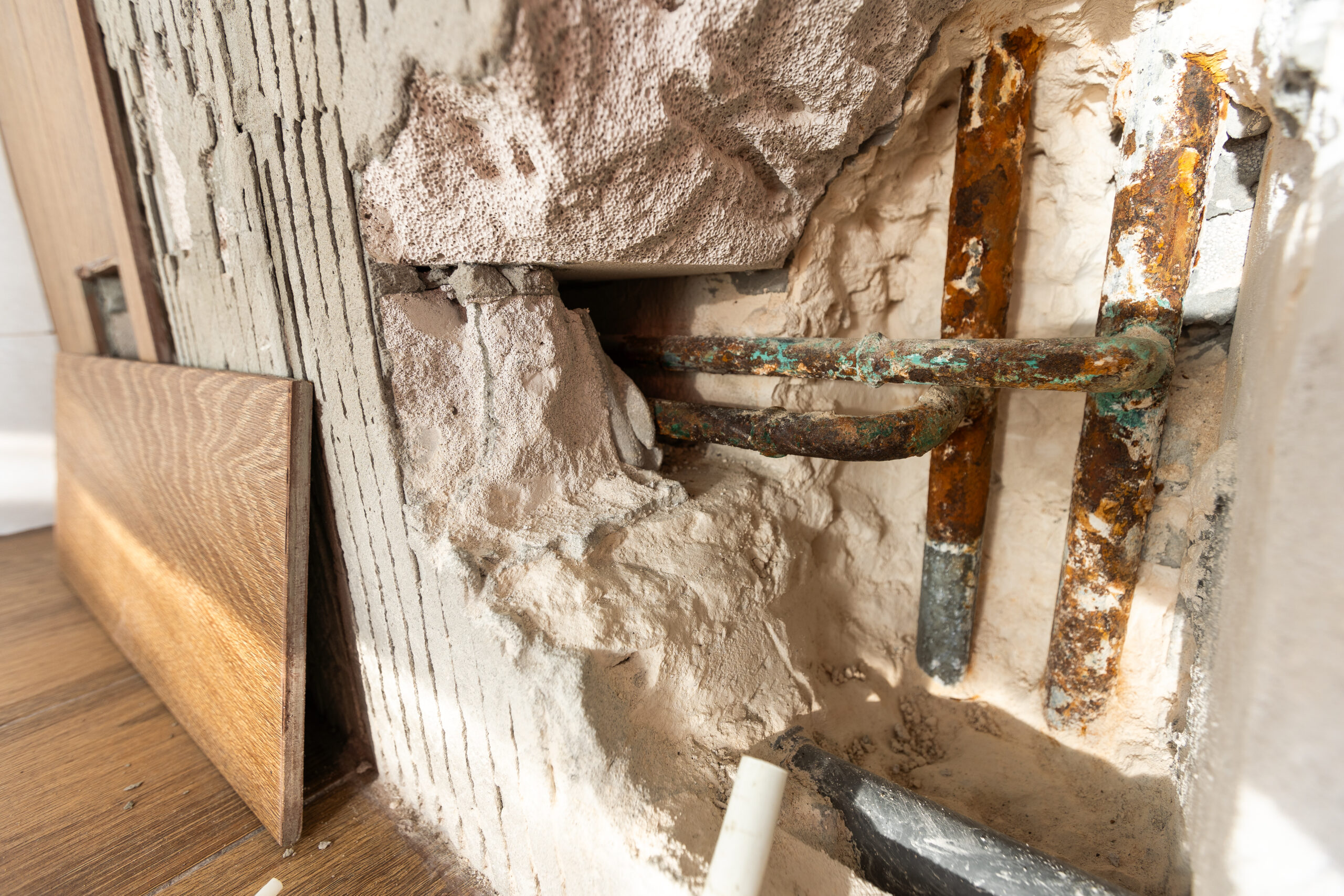
A musty smell, condensation, or staining in a crawl space can point to a moisture problem. A mold inspection can help document what is visible, identify areas that need a closer look, and determine whether sampling would answer a useful question.
What to document before an inspection
Note when you first noticed the odor or staining and whether it gets worse after rain. Record any plumbing leaks, drainage work, or changes to the vapor barrier. Share photos taken from a safe, accessible location and tell your inspector about any areas they may not be able to reach.
What a crawl space inspection can tell you
An inspector can review accessible framing, insulation, and other materials for signs of moisture. Readings and observations can help put stains or odors in context. If sampling is appropriate, ask what question the sample is meant to answer and how the results will be reported.
Decide what to do next
Ask which conditions need further investigation and what needs to be addressed to keep moisture from returning. If you hire a separate contractor for repairs or cleanup, share the inspection findings so they can scope the work.
Elite Indoor Air provides independent mold detection and testing. For help evaluating your crawl space, call 262-205-1564 or request an inspection.