Your HVAC air filter plays an important role in keeping dust, pet hair, pollen, and other particles from circulating throughout your home. It also helps protect the heating and cooling system from debris that can restrict airflow and reduce performance. Although replacing an air filter is a relatively simple maintenance task, there is no single replacement schedule that works for every household.
Many standard residential air filters should be checked every month and may need to be replaced approximately every one to three months. However, the right schedule depends on the type of filter being used, the number of people and pets in the home, allergy concerns, construction activity, smoke exposure, and how often the HVAC system operates.
Start by Checking the Filter Regularly
Even when a filter is advertised to last several months, it should still be inspected regularly. A filter can become dirty faster than expected when the system runs frequently or when the home contains more dust, pet dander, smoke, or airborne debris.
Checking the filter once a month gives you an opportunity to see how quickly it becomes dirty under the conditions in your home. If the filter looks gray, dusty, clogged, or covered with pet hair, it may be time to replace it. Waiting until airflow becomes noticeably restricted can place unnecessary strain on the HVAC system.
The manufacturer’s recommendations should always be considered, but the visible condition of the filter and the needs of the household are also important.
Filter Type Affects Replacement Frequency
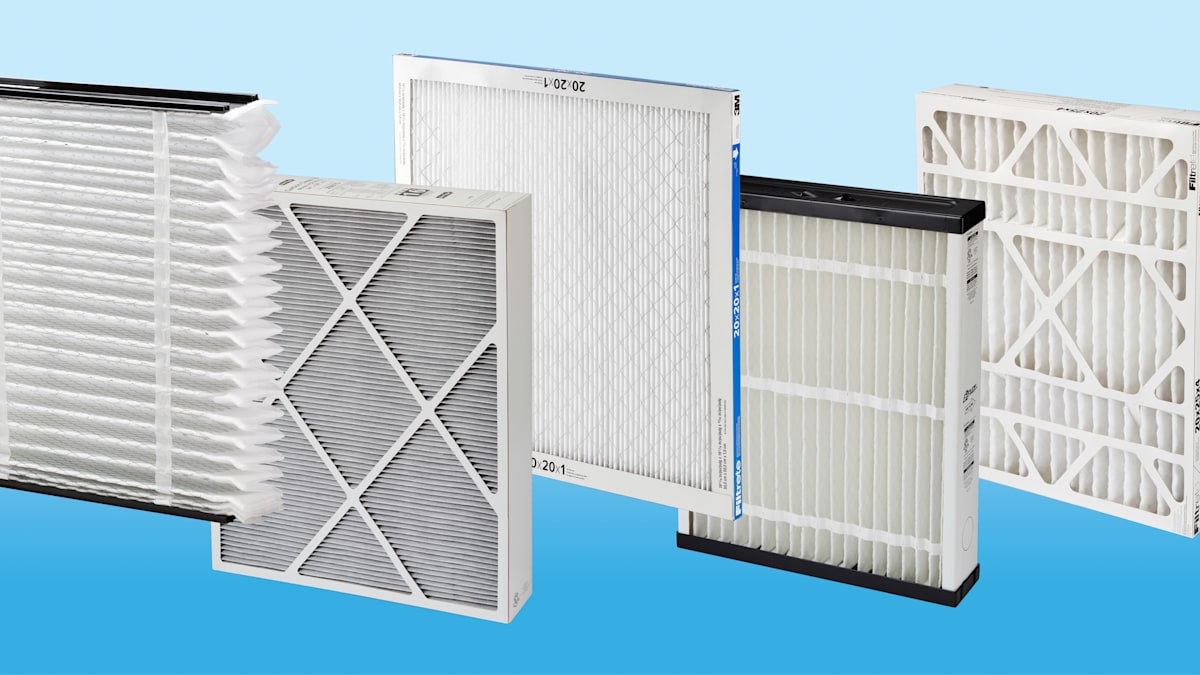
Not all HVAC filters are designed to last the same amount of time. Basic fiberglass filters are typically less expensive and may need to be replaced more frequently because they have a limited capacity for holding dust and debris.
Pleated filters generally capture more particles and may remain effective longer, depending on their thickness and quality. Some larger media filters are designed for extended use and may last several months under normal conditions.
A higher-efficiency filter is not automatically the best choice for every HVAC system. Filters that are too restrictive can reduce airflow if the system was not designed to accommodate them. Homeowners should use a filter that is compatible with their equipment and follow the guidance provided by the HVAC manufacturer or a qualified professional.
Homes With Pets May Need More Frequent Changes
Pets can significantly affect how quickly an HVAC filter becomes dirty. Pet hair, dander, dust, and outdoor debris carried inside on paws and fur can all contribute to filter buildup.
A home with one pet may need to replace the filter more often than a home without animals. Households with multiple dogs or cats may need to inspect the filter every few weeks and replace it more frequently, especially during periods of heavy shedding.
Regular vacuuming and grooming can help reduce pet hair and dander, but the HVAC filter should still be monitored closely. If pet hair is visible on the filter or around return-air vents, the current replacement schedule may not be frequent enough.
Allergies Can Influence the Replacement Schedule
People with allergies or sensitivities may benefit from checking and replacing HVAC filters more frequently. Pollen, dust, pet dander, and other airborne particles can accumulate in the filter over time.
A clean filter can support better airflow and help reduce the amount of particulate matter recirculating through the home. However, an HVAC filter alone may not address every indoor air-quality concern. Moisture problems, mold growth, inadequate ventilation, and other sources of contamination may require professional evaluation.
If allergy-like symptoms repeatedly occur inside the home, replacing the filter may be a helpful first step, but it is also important to consider whether another indoor air-quality issue may be present.
Construction and Renovation Create More Dust
Home improvement and construction projects can cause filters to become dirty much faster than usual. Drywall sanding, flooring removal, woodworking, demolition, painting preparation, and other renovation activities can release large amounts of dust and debris.
During a renovation, the filter should be inspected frequently and may need to be replaced several times before the project is completed. It is also helpful to isolate work areas, use appropriate ventilation, and clean dust from surfaces rather than allowing it to circulate throughout the property.
After construction ends, replace the filter again and inspect the return vents for visible dust buildup. Renovations involving older flooring, insulation, roofing, or wall materials may also require professional testing before demolition begins.
Smoke Can Quickly Contaminate a Filter
Smoke from cigarettes, fireplaces, candles, cooking, and nearby wildfires can affect indoor air and shorten the useful life of an HVAC filter. Fine smoke particles can accumulate in the filter and may continue circulating if the filter becomes overloaded.
Homes with regular indoor smoke exposure should inspect filters more frequently. Even occasional smoke events can justify replacing the filter sooner than planned, especially when odors remain or the filter appears discolored.
Changing the filter may help reduce some particles, but it does not always remove the underlying source of smoke or persistent odors. Additional ventilation, cleaning, and air-purification measures may be necessary.
Household Size Makes a Difference
The number of people living in a home can influence how quickly dust and other particles accumulate. Larger households typically create more activity, open doors more frequently, and bring more outdoor debris into the property.
A vacation home occupied only occasionally may not require filter replacement as often as a busy household with several occupants, children, and pets. Homes where someone works remotely or spends most of the day indoors may also operate the HVAC system more frequently.
Rather than relying only on the calendar, homeowners should consider how heavily the home and HVAC system are being used.
Seasonal HVAC Use Can Affect Filter Life
Filters may become dirty more quickly during periods when the heating or cooling system runs continuously. During hot summers and cold winters, the HVAC system moves more air through the filter, which can cause particles to accumulate faster.
Spring and fall can also create additional challenges because pollen, outdoor dust, and seasonal allergens may enter the home. Checking the filter when the seasons change is a simple way to keep the system maintained.
A clean filter at the beginning of a heating or cooling season can support airflow and help the system operate more effectively.
Signs That Your Filter May Need to Be Replaced
A filter should not be judged by time alone. A filter that is visibly dark, dusty, clogged, or covered with debris should generally be replaced, even when it has not reached the expected replacement date.
Reduced airflow from vents, unusual dust buildup, longer HVAC operating cycles, and increased household odors may also indicate that the filter needs attention. These signs can have other causes, so continued problems should be evaluated by a qualified professional.
Writing the installation date on the filter frame can make it easier to track how long each filter lasts. Setting a recurring monthly reminder to inspect it can also prevent filter replacement from being overlooked.
Can You Clean and Reuse an HVAC Filter?
Most disposable HVAC filters should be replaced rather than washed. Washing a disposable filter can damage the material and reduce its ability to capture particles.
Some HVAC systems use washable or reusable filters. These should be cleaned and dried according to the manufacturer’s directions. A reusable filter should be completely dry before it is placed back into the system because moisture can create additional concerns.
Always verify whether the filter is disposable or reusable before attempting to clean it.
A Practical Replacement Routine
A good starting point is to inspect the filter every month. Over time, you will learn how quickly it becomes dirty based on the conditions in your home.
A household without pets or major air-quality concerns may find that a filter lasts several months. A larger household with pets, allergies, smoke exposure, or ongoing construction may need to replace it much sooner.
The goal is not to follow an arbitrary schedule. The goal is to prevent the filter from becoming so dirty that it restricts airflow or allows additional dust and debris to circulate.
A Clean Filter Is Only One Part of Healthy Indoor Air
Regular HVAC filter replacement is one of the easiest ways to support airflow and reduce dust circulation, but it is only one part of maintaining better indoor air quality.
Moisture control, ventilation, cleaning, duct condition, air purification, and the presence of hidden contaminants can also affect the air inside a property. Persistent odors, recurring allergy symptoms, visible discoloration, and unexplained moisture should not be ignored.
Elite Indoor Air provides professional indoor air-quality testing, environmental consulting, mold services, and air-purification solutions for homes and businesses. A professional evaluation can help identify potential concerns and determine which solutions are appropriate for the property.
For help understanding or improving the air inside your home or business, contact Elite Indoor Air at 262-205-1564 or visit EliteIndoorAir.com.