
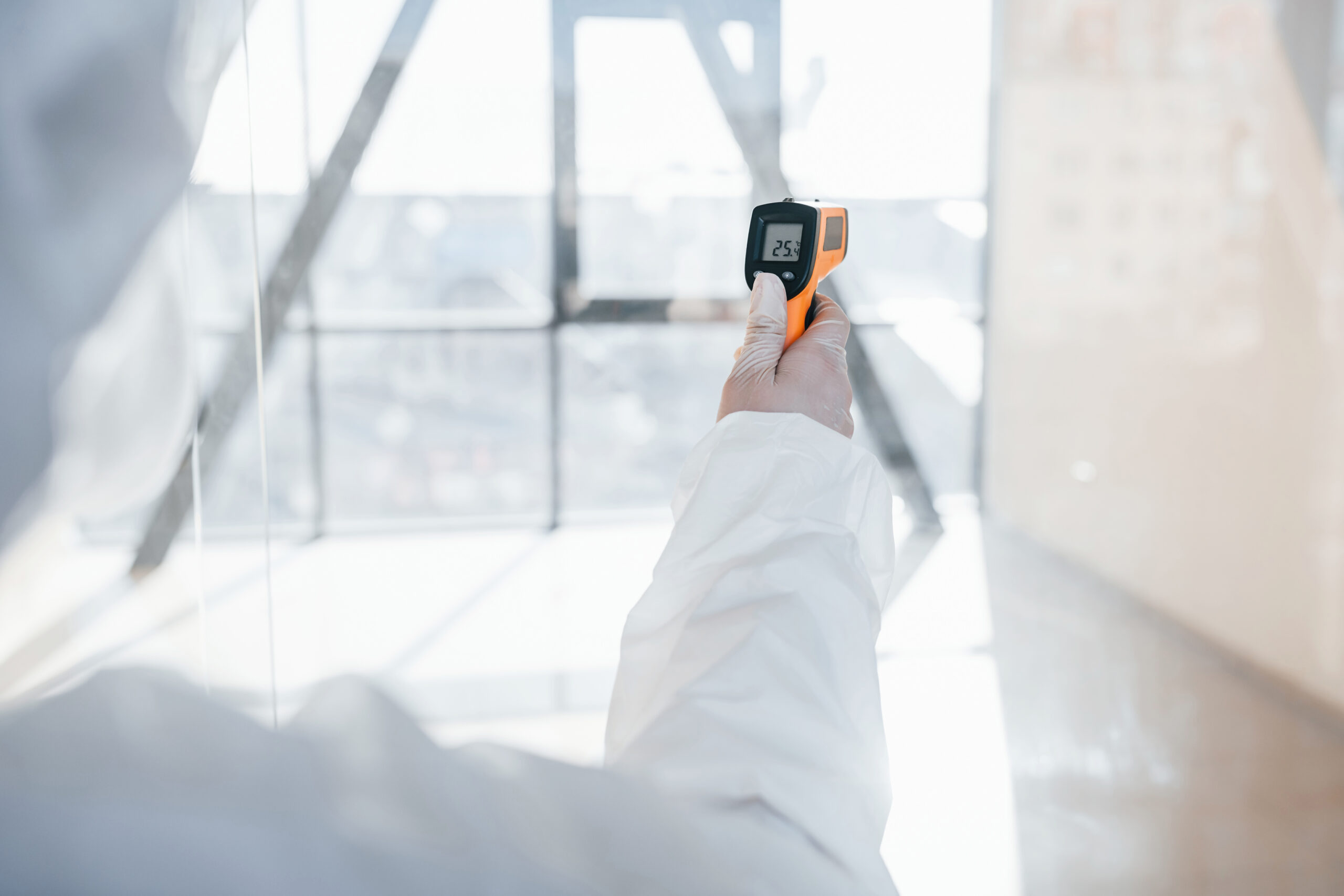
Most people assume that if their home looks clean, the air inside must be safe to breathe. The truth is far more alarming. According to the EPA, indoor air can be 2 to 5 times more polluted than outdoor air and in some cases, even worse. From invisible mold spores to toxic VOCs, the threats hiding in your indoor air are often completely undetectable without professional Indoor air quality analysis.
Whether you live in an older home or a newly built property, your indoor environment is constantly exposed to pollutants, moisture, and biological contaminants. The good news? Your home gives you warning signs you just need to know what to look for.
1: Persistent Musty or Chemical Odors
One of the earliest and most telling signs of poor indoor air quality is an unusual smell that simply won’t go away no matter how much you clean or ventilate.
A musty odor almost always points to mold growth somewhere in your property. Mold thrives in dark, damp spaces like basements, crawl spaces, behind walls, and under flooring. By the time you smell it, the mold colony is likely already well-established.
A chemical smell, on the other hand, may indicate high levels of VOCs being released from furniture, paint, adhesives, or cleaning products. These compounds are colorless and odorless in small amounts, but when they accumulate, they create a sharp, chemical-like scent that is difficult to ignore.
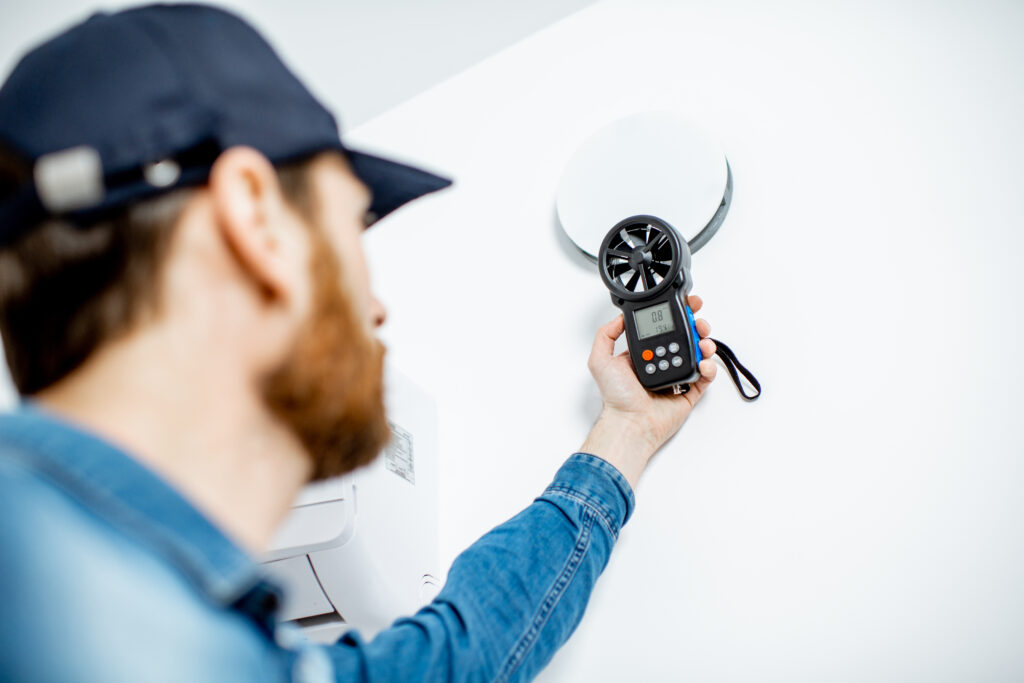
If you notice any persistent odor, musty, chemical, or otherwise it is a strong signal that you need professional indoor air quality testing. A certified air quality testing company can identify the exact source and concentration of the pollutant causing the smell.
2: Unexplained Allergies or Respiratory Symptoms
Are you or your family members constantly sneezing, coughing, or dealing with itchy eyes especially while indoors? If your allergy symptoms seem to disappear when you leave home and return when you come back, your indoor air is likely the problem.
Common respiratory symptoms linked to poor indoor air quality include:
- Chronic sneezing or runny nose
- Itchy, watery, or red eyes
- Persistent dry throat or coughing
- Shortness of breath or wheezing
- Worsening asthma symptoms
These symptoms are frequently triggered by mold air testing results that reveal high concentrations of airborne mold spores, dust mites, pet dander, or pollen trapped inside poorly ventilated spaces.
Do not dismiss these symptoms as seasonal allergies without ruling out your indoor environment first. Schedule a professional indoor air pollution testing service to identify which specific allergens or irritants are present in your home or office.
3: Visible Mold Growth Anywhere in Your Property
If you can see mold, whether it’s a black patch in the bathroom corner, green streaks on your basement wall, or white fuzz under the sink, consider it a red flag that demands immediate attention.
Visible mold is never isolated. For every patch you can see, there are likely thousands of mold spores already airborne and circulating through your HVAC system, spreading to other areas of your property. Mold releases mycotoxins toxic substances that can cause serious respiratory illness, neurological symptoms, and long-term health damage.
This is where mold air testing becomes absolutely essential. A professional air quality inspection will not only confirm the presence of mold spores in your air but also identify the specific species of mold, which determines how aggressive the remediation needs to be.
Never attempt to clean or paint over visible mold without professional guidance. Contact a certified environmental consultant who provides a home Residential air Cleaning Guide or quality testing and mold air testing together so you get a full picture of how far the contamination has spread.
4: Recent Water Damage, Flooding, or Leaks
Water damage and poor indoor air quality go hand in hand. Whether your property experienced a burst pipe, roof leak, basement flooding, or even a slow, undetected leak behind your walls, the aftermath creates the perfect breeding ground for mold and bacteria.
Mold can begin growing within 24 to 48 hours of water exposure. Once it takes hold, it releases spores directly into your indoor air making the air quality deteriorate rapidly, even if the water damage itself has been repaired.
Even if you’ve already had water damage restored, that does not automatically mean your air is clean. Post-remediation air quality monitoring services are a critical step that many property owners overlook, leading to recurring mold problems months later.
After any form of water intrusion no matter how minor it seems, invest in professional air quality testing services. Residential air testing and commercial air testing following water damage is the only way to confirm that your indoor environment is truly safe again.
5: Frequent Headaches, Fatigue, or Difficulty Concentrating
This warning sign is often the most misunderstood because it mimics so many other common health problems. But if you or your family consistently feel tired, foggy, or headachy at home and feel better when you leave your indoor air quality may be seriously compromised.
High levels of carbon dioxide, carbon monoxide, or VOCs in poorly ventilated spaces are known to cause:
- Persistent headaches
- Dizziness and nausea
- Chronic fatigue and low energy
- Difficulty focusing or brain fog
- Sleep disturbances
These symptoms are particularly common in tightly sealed, energy-efficient homes where fresh air circulation is limited. The same applies to offices and commercial spaces, which is exactly why commercial air quality testing is increasingly required in workplace health and safety standards.
If these symptoms follow a pattern worse at home, better outside do not wait. A professional air quality analysis with full air sampling services will identify whether CO2 buildup, VOC accumulation, or other chemical pollutants are affecting your cognitive health.
6: Excessive Dust Buildup or Stale Air
Do you find yourself constantly dusting surfaces, only to see the dust return within a day or two? Or does your home feel stuffy and stale no matter how often you open windows? Both of these are signs of a compromised air quality situation.
Excessive dust often indicates:
- A failing or overloaded HVAC filtration system
- High levels of particulate matter in your indoor air
- Poor air circulation and ventilation
- Possible presence of fibers, dander, or other biological particles
Stale or stuffy air, meanwhile, is a classic sign of inadequate ventilation, one of the leading contributors to poor indoor air quality. When fresh air cannot properly circulate, pollutants build up to unsafe concentrations.
A certified air quality assessment will measure your particulate matter levels and evaluate your ventilation system’s performance. Air purity testing in combination with air purification testing can help determine whether your current filtration setup is adequate or whether upgrades are needed.
7: Your Home Is Older or Has Never Had Air Quality Testing Done
This final warning sign is less about symptoms and more about risk. Older homes particularly those built before 1980 often contain legacy building materials that continuously release harmful substances into the air, including:
- Asbestos in insulation, floor tiles, and ceiling materials
- Lead in old paint layers
- Formaldehyde in older wood products and adhesives
- Radon seeping up through foundations in certain soil types
Even newer homes are not immune. Modern construction uses a wide range of synthetic materials and sealants that can off-gas VOCs for months or years after installation.
If your home or commercial property has never undergone professional air quality testing, you are essentially flying blind when it comes to the safety of your indoor environment. This is especially important if you are searching for air quality testing near me after purchasing a new property, renovating, or moving into a space with an unknown history.
Schedule a baseline professional air quality testing service with a certified environmental consultant. This gives you a clear, documented picture of your indoor air and a benchmark for future air quality monitoring services.
Why Indoor Air Quality Analysis Matters
Before diving into the warning signs, it’s important to understand what air quality analysis actually involves. A professional air quality assessment goes far beyond what a basic home kit can detect. Certified environmental consultants use advanced air sampling services to measure:
- Mold spores and fungal particles
- Volatile Organic Compounds (VOCs)
- Carbon monoxide and carbon dioxide levels
- Particulate matter (PM2.5 and PM10)
- Radon gas concentrations
- Bacteria and other biological contaminants
Whether you need residential air testing, commercial air quality testing, or industrial air testing, a thorough air quality inspection gives you a complete picture of what you and your family are breathing every day.
When to Call a Professional Air Quality Testing Company
If you recognized even one of the warning signs above, it is time to stop guessing and start testing. Here is what professional air quality testing near you typically involves:
- Initial Consultation: An environmental consultant evaluates your concerns and property history
- On-Site Air Sampling: Specialized equipment collects air samples from key areas throughout your property
- Laboratory Analysis: Samples are tested at an accredited lab using EPA-approved methods
- Detailed Report: You receive a comprehensive report with findings and recommended next steps
- Remediation Guidance: If issues are found, your consultant outlines a targeted remediation plan
- Post-Remediation Verification: Follow-up air quality monitoring services confirm the problem is resolved
Professional air quality assessments are available for all property types from single-family homes requiring residential air testing to large facilities needing industrial air testing or commercial air quality testing.
Conclusion
Call a Professional Air Quality Testing Company if your indoor air quality is not something you can assess with your eyes alone. The most dangerous pollutants, mold spores, VOCs, radon, carbon monoxide are often completely invisible and odorless at low concentrations. By the time symptoms appear, the problem may already be serious.
The seven warning signs covered in this guide are your body’s and your home’s way of telling you that something is wrong. Do not ignore them.
FAQs
What does professional indoor air quality testing check for?
It detects mold spores, VOCs, radon, carbon monoxide, and particulate matter using EPA-approved air sampling services giving you a full certified report of every pollutant in your indoor air.
Can air quality testing detect hidden mold I cannot see?
Yes. Professional mold air testing compares indoor spore levels to outdoor baselines, revealing active mold growth hidden inside walls, flooring, or HVAC systems even without visible signs.
How much does professional indoor air quality testing cost?
Residential air testing costs $300–$1,200+, while commercial air quality testing ranges from $1,000–$3,000+ depending on property size and scope of the air quality assessment.
How long does an indoor air quality analysis take?
On-site air sampling takes one to three hours. Lab results from your professional air quality testing are delivered within 2 to 10 business days, followed by a full written report.
Is air quality testing necessary for newer homes and buildings?
Yes. New construction releases VOCs from paints and adhesives for months, while tight sealing traps pollutants. Commercial air quality testing is also required for workplace compliance.