
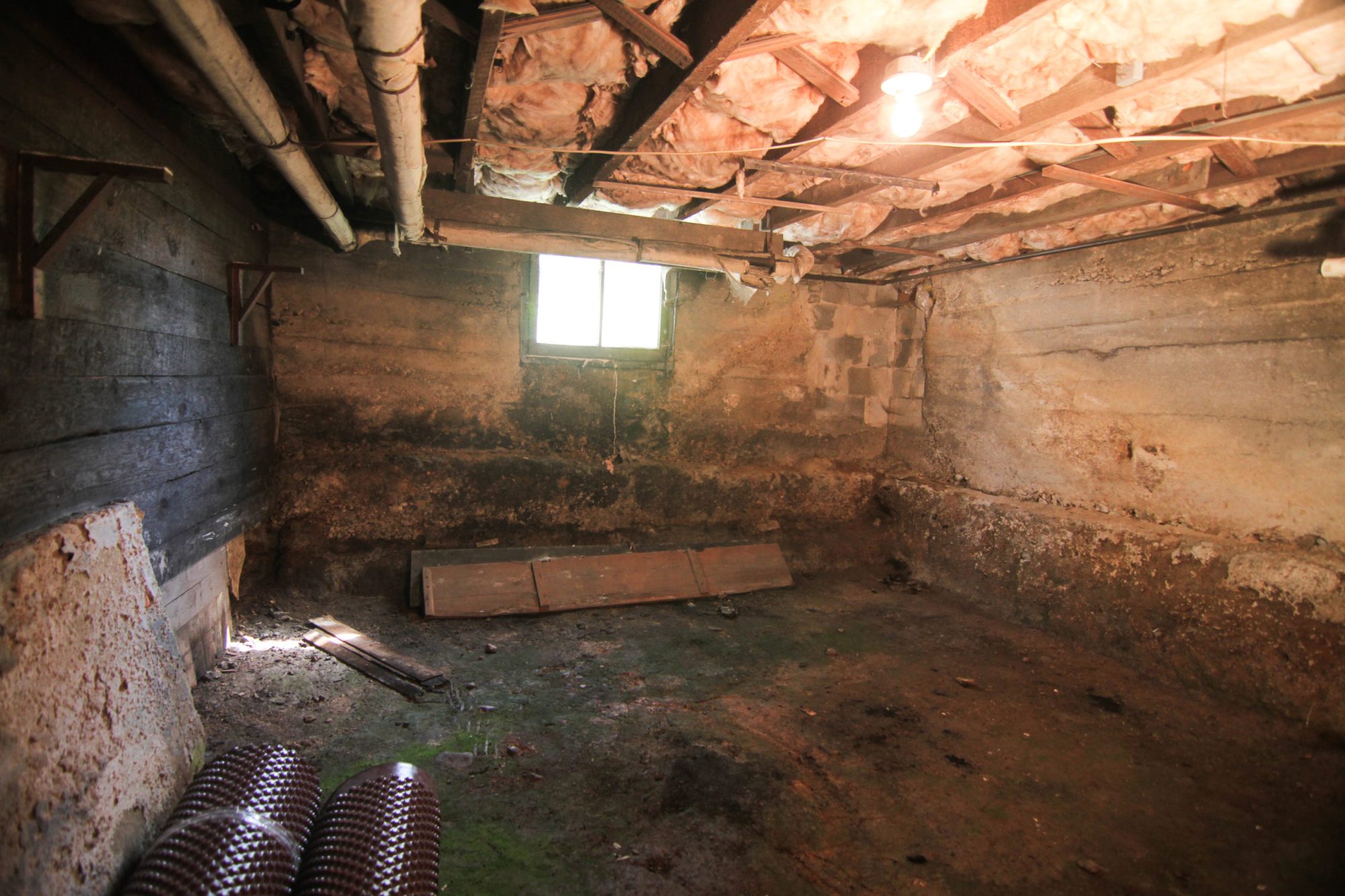
A musty smell is one of the most common signs that something in a home or business may need closer attention. It can show up in a basement after heavy rain, around a bathroom, near an HVAC system, inside a crawl space, or even in a room that otherwise looks completely clean.
The first reaction is often to cover the smell with an air freshener, scented spray, candle, or deodorizing product. While those products may make a room smell better temporarily, they do not explain why the odor is there in the first place.
When a musty smell keeps returning, the more important question is not how to hide it. The important question is what is causing it. Persistent odors can be connected to moisture, damp building materials, mold concerns, poor ventilation, humidity, water intrusion, or other indoor environmental conditions. Investigating the source can provide much better information than simply masking the symptom.
A Musty Odor Is a Clue
Odors are often one of the first things people notice when conditions inside a property begin to change. A room may look normal. The walls may appear dry. There may be no obvious leak or visible mold. Yet the space consistently smells damp, earthy, stale, or musty.
That odor may be providing an early clue that moisture or airflow conditions deserve attention. This is especially true when the smell appears in the same location repeatedly or becomes stronger during humid weather, after rain, when the HVAC system runs, or when a room has been closed for an extended period. Instead of treating the smell as the problem itself, it is more useful to think of it as a symptom that may point toward an underlying condition.
Air Fresheners Mask Odors Rather Than Identifying Them
Air fresheners are designed to change how a space smells. They may add fragrance, neutralize certain odors, or temporarily make the room seem fresher. What they generally do not do is determine why the odor exists.
If a musty smell is being caused by a damp wall cavity, a slow plumbing leak, basement seepage, or poor ventilation, adding fragrance does not correct any of those conditions. Once the fragrance fades, the odor often returns because the source is still present. This can create a cycle where homeowners repeatedly spray or deodorize the same space without realizing that the smell may be signaling a moisture or indoor air concern. The goal should be to understand what is causing the odor before deciding how it should be addressed.
Moisture Is Often Connected to Musty Odors
Moisture is one of the first things to consider when a musty smell appears. Water can enter a property in many different ways. Some sources are obvious, while others develop slowly. A basement may experience foundation seepage after rain. A roof may leak into a ceiling or wall. A plumbing connection can release small amounts of water over time. Condensation can develop on windows, pipes, or cooler surfaces. Elevated humidity can also keep materials damp enough to create persistent odors.
The challenge is that moisture does not always remain visible. Water can move beneath flooring, behind drywall, into insulation, around windows, behind cabinets, or through framing. By the time an odor develops, the visible surface may not clearly show what is happening underneath. That is why persistent musty smells often deserve more than a quick visual inspection.
Basements Are a Common Source of Musty Smells
Basements naturally require additional attention because they are surrounded by soil and often have cooler surfaces than the rest of the home. After heavy rain, water may enter through foundation cracks, wall joints, windows, floor joints, or other vulnerable areas. Even without standing water, basement walls and materials can remain damp.
Higher humidity can also contribute to condensation and stale air. If a basement consistently smells musty, look for other clues such as staining along walls, peeling paint, damp boxes, warped trim, discoloration, condensation, or areas that become noticeably wetter after storms. Finished basements can be particularly difficult to evaluate because drywall, insulation, carpeting, and finished flooring may conceal the foundation and other building materials. A professional evaluation may help determine whether moisture is contributing to the odor.
Recurring Odors After Rain Deserve Attention
If a musty smell becomes stronger after rainfall, that pattern is worth noting. Rain can reveal moisture problems that are difficult to detect during dry weather. Foundation seepage, roof leaks, window leaks, drainage problems, or elevated outdoor humidity can all affect indoor conditions.
The timing of the smell can provide useful information. If the odor consistently appears after heavy rain and then fades as the property dries, moisture intrusion or humidity may be contributing. Rather than simply deodorizing the room after every storm, investigating why the odor appears can help identify the condition that needs attention.
Mold Concerns Can Be Associated With Moisture and Odors
A musty smell does not automatically prove that mold is present. There are many possible sources of indoor odors, and visual appearance or smell alone may not be enough to determine exactly what is happening. However, mold growth is often associated with moisture, and damp building materials can create odors that people describe as earthy or musty.
If a persistent odor is accompanied by water damage, visible discoloration, damp surfaces, repeated condensation, or previous flooding, a professional mold and moisture evaluation may be appropriate. The important point is to avoid jumping immediately to a conclusion while also avoiding the opposite mistake of ignoring the odor completely. Professional evaluation can help provide more context.
Hidden Moisture Can Exist Behind Walls
One reason musty odors can be difficult to solve is that the source may not be in plain view. A small plumbing leak behind a wall can keep drywall or insulation damp without creating obvious surface damage at first. Water from a roof leak may travel along framing before appearing in another part of the ceiling.
Moisture from a window leak can affect the wall cavity below the window. Basement seepage may occur behind finished walls. In these situations, spraying fragrance into the room cannot address what is happening behind the surface. If the smell continues to return and there is no obvious source, moisture evaluation may help determine whether concealed areas deserve further investigation.
Poor Ventilation Can Make Odors Worse
Not every musty room has an active water leak. Ventilation and airflow can also play a major role in how a room smells and feels. Spaces with limited airflow can trap humidity, odors, and airborne particles. Bathrooms, basements, closets, storage rooms, laundry areas, and offices can all become stale when fresh-air exchange is limited.
A bathroom without adequate exhaust ventilation may remain humid after showers. A basement with poor circulation may hold damp air. A heavily occupied office may feel stuffy by the middle of the day. Poor ventilation can also make an existing moisture problem more noticeable because damp air is not being removed effectively. Evaluating airflow and ventilation can therefore be an important part of investigating persistent odors.
HVAC Systems Can Move Odors Through a Property
Sometimes an odor seems to appear in several rooms rather than one specific location. In those situations, the HVAC system may be moving air from one part of the building to another. Return-air pathways, ductwork, mechanical rooms, filters, and airflow patterns can all influence how odors move through a property.
If a musty smell becomes more noticeable when the heating or cooling system turns on, that timing may be useful information. It does not necessarily mean the HVAC system itself is the source, but it may indicate that air movement is carrying an odor from another area. Professional evaluation can help look at the broader indoor environment rather than treating every room as an isolated problem.
High Humidity Can Create Persistent Indoor Odors
Humidity affects how a property feels and how quickly materials dry. When indoor humidity remains elevated, porous materials such as wood, carpet, drywall, fabrics, and stored belongings may hold moisture longer. This can contribute to stale or musty conditions, particularly in basements and lower levels.
Humidity can also increase after storms, during warmer months, or in areas where ventilation is limited. A basic humidity monitor can help show whether humidity levels are consistently elevated, but the number alone does not explain why the condition exists. If high humidity continues even after normal adjustments, a professional evaluation may help identify contributing factors.
Odor Removal Should Begin With the Source
Effective odor removal should focus on identifying and addressing the cause rather than simply changing the smell. If moisture is entering through a foundation, the moisture source needs attention. If a plumbing leak is affecting building materials, the leak should be repaired and the affected materials evaluated. If ventilation is inadequate, airflow may need improvement. If damaged or contaminated materials are contributing to the odor, those materials may require professional attention.
Once the underlying condition is addressed, odor treatment becomes much more effective because the source is no longer continuing to create the problem. This is the difference between masking an odor and solving an odor problem.
Why Professional Evaluation Can Be Helpful
Persistent odors can be frustrating because they are not always easy to trace. A homeowner may know exactly where a room smells musty but have no idea where the moisture is coming from.
Professional indoor air and environmental evaluation can help look at the property as a system. The investigation may consider moisture history, previous leaks, basement conditions, ventilation, humidity, visible staining, damaged materials, airflow, and other environmental clues. When appropriate, additional testing may provide more information. The goal is not simply to confirm that an odor exists. The goal is to better understand what is contributing to it so the next step can be based on evidence rather than guesswork.
Pay Attention to When and Where the Odor Appears
If you are dealing with a recurring musty smell, take note of the pattern. Does it become stronger after rain? Does it occur mainly in the basement? Does the smell appear when the HVAC system starts? Is it stronger in the morning or after a room has been closed? Did it begin after a plumbing leak, flood, roof problem, or renovation? Does one room consistently smell different from the rest of the home?
These observations can provide valuable clues when evaluating the source. A smell that appears randomly may be harder to trace. A smell that consistently follows a certain event or condition can help narrow the investigation.
Do Not Ignore Water Stains or Discoloration
Musty odors deserve even more attention when they are accompanied by physical signs of moisture. Water stains, peeling paint, swollen baseboards, bubbling drywall, dark discoloration, warped flooring, condensation, or deteriorating materials may all indicate that moisture has affected the area.
Painting over stains or cleaning visible surfaces may improve appearance, but if the underlying moisture condition remains, the problem may return. Investigating both the odor and the building materials can provide a much clearer understanding of what is happening.
After Water Damage, Continue Monitoring the Area
A leak may be repaired while moisture remains inside surrounding materials. This is why homeowners should continue monitoring areas that have experienced water damage even after the immediate problem appears to be resolved.
Watch for recurring odors, staining, changes in paint or drywall, warped materials, or unusual humidity. If a musty smell develops after a previous water event, it may be worth having the affected area evaluated. The fact that the visible water is gone does not always mean every material has fully dried.
Air Purification Can Be Part of a Solution, But It Does Not Repair Moisture Problems
Air purification can support a cleaner indoor environment, but it should not be used as a substitute for correcting an active moisture problem. An air purifier cannot repair a leaking pipe, stop foundation seepage, fix a roof leak, or remove damaged materials.
If the primary source of an odor is structural moisture, that condition needs to be addressed. Once the underlying source is understood, air cleaning and purification may be considered as part of a broader indoor air-quality strategy. This is another reason evaluation should often come before choosing a product.
Stop Covering the Symptom and Start Investigating the Cause
A musty smell is easy to dismiss because it may seem like nothing more than an unpleasant household odor. But when the smell is persistent or recurring, covering it up does not provide an answer. The odor may be connected to moisture, mold concerns, humidity, poor ventilation, water damage, or another indoor environmental condition.
The sooner the source is understood, the easier it becomes to choose an appropriate solution. Instead of asking which air freshener will hide the smell, ask why the smell is there. That question can lead to much better information about the condition of your property.
Professional Odor and Indoor Air Quality Evaluation in Wisconsin
Elite Indoor Air LLC provides professional indoor air quality testing, environmental consulting, mold detection and testing, mold remediation, odor removal, air cleaning, asbestos inspection, and air purification solutions for residential and commercial properties.
If you are dealing with a persistent musty smell, recurring moisture, basement odors, water damage, condensation, or other indoor air-quality concerns, a professional evaluation can help you better understand what may be contributing to the problem. Do not simply cover up an odor that keeps coming back. Start by investigating the source.